4 min read
Fuel consumption measurement and fuel security in heavy commercial vehicles have long been key topics. Especially in large fleets, significant effort goes into protecting fuel and keeping consumption within defined limits. However, as fleet sizes grow, monitoring every route and every vehicle becomes increasingly complex. This complexity can lead to “leakage” and repeated small fuel theft incidents, which create financial losses over time.
Modern systems can help fleet managers reduce some of this burden. One common example is the CAN bus system, which enables near real-time monitoring of fuel tank levels and fuel consumption. Consumption data from the CAN bus is often compared with the amount of fuel added to the tank to check whether the numbers align. However, achieving perfect alignment is extremely challenging—close to impossible.
Fuel Consumption Data
The CAN bus system contains a wide range of fuel-related data. In practice, fleet managers typically focus on two key data points provided by vehicle tracking system providers:
Fuel tank level
Vehicle fuel consumption
Fuel tank level is not highly precise. Since sensor measurement accuracy is often around 5%, it is not reliable for calculations that require exact consumption values.
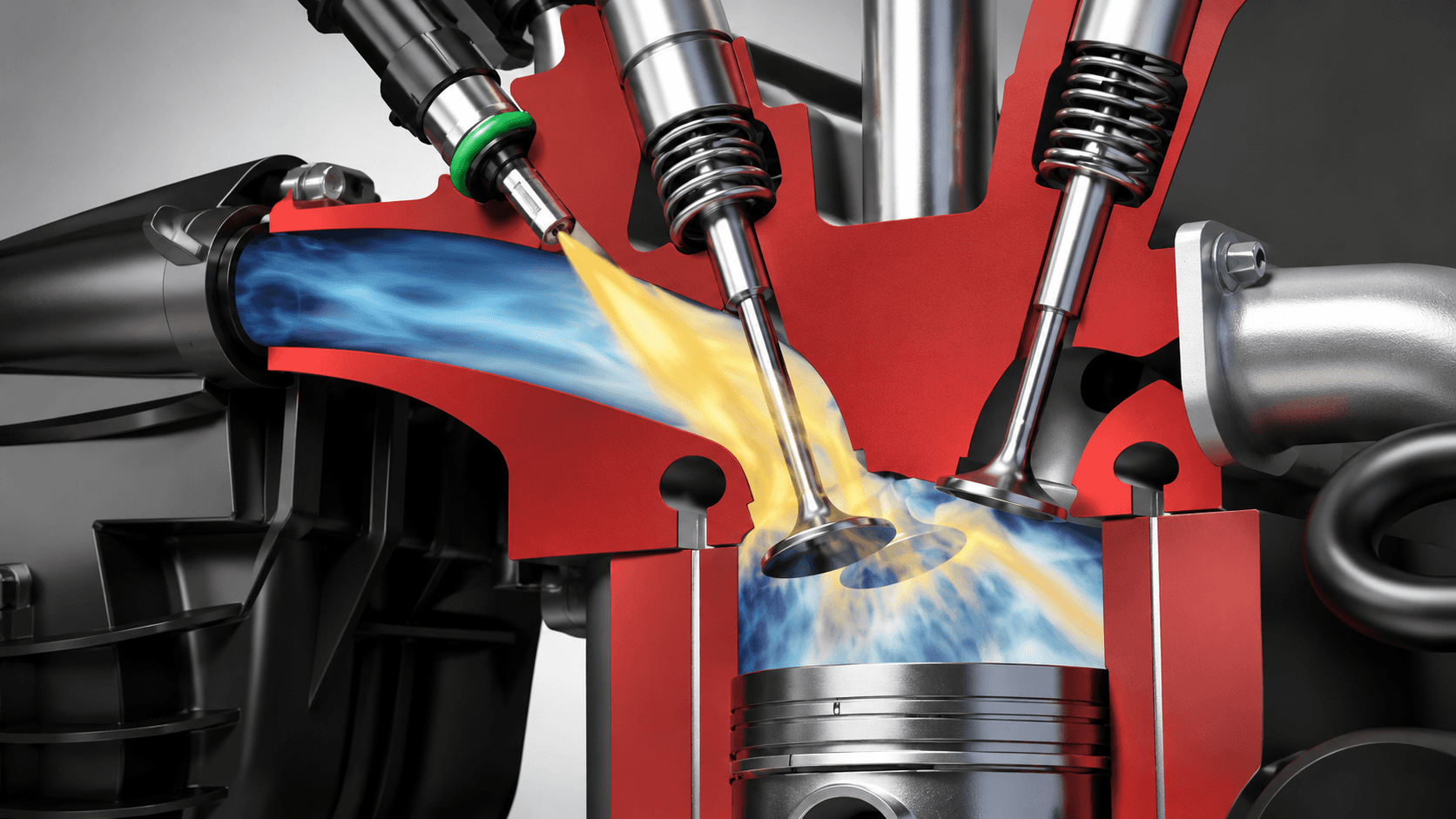
Vehicle fuel consumption data reflects the amount of fuel passing through the injectors and can be relatively sensitive information. The vehicle’s electronic control unit determines how long each injector stays open based on engine demand. Using injector cross-section and fuel pressure, the system estimates fuel consumption based on this duration. However, this data is affected by variables such as:
Calibration: Consumption data is calibrated for ideal conditions (air temperature, humidity, atmospheric pressure, etc.). Different climates and geographies can require recalibration.
Injector condition: As injectors age, issues such as narrowing can occur, which can affect consumption values.
Fuel quality: Viscosity and other fuel properties can influence measurement.
Because of these factors, vehicle fuel consumption data does not always provide a fully accurate result. It can be useful for comparing differences between drivers, but it cannot reliably confirm that all 100 liters of fuel added to a vehicle were consumed. As a result, it does not significantly reduce fuel security risks on its own.
Fuel Supply Data
Measuring the accuracy of fuel supply is just as important—and just as difficult. Fleets often refuel at their own centers and sometimes purchase fuel from authorized stations. In these cases, the calibration of the fueling pump becomes critical. Calibration is labor-intensive and can be influenced by many parameters, from temperature to the viscosity of fuel in the main tank. Fuel measured as 100 liters when leaving the fleet center could be recorded as 90 liters at the vehicle level, which can lead to disputes between drivers and fuel custodians.
Fuel pump calibration at fuel stations is typically a legal requirement. However, there can still be doubts about how consistently calibration is maintained across different stations.
In short, discrepancies can occur between the fuel added to a vehicle and the fuel measured as consumed. This often happens because both intake and consumption measurements can be imperfect. For that reason, it can be wise to strengthen security with supplementary systems such as a Smart Fuel Cap with wireless technology and GPS compatibility—rather than relying only on measurement systems like the CAN bus.
Join the newsletter
Be the first to read our articles.


