3 min read

Fuel theft is a worldwide problem, and the logistics industry is constantly looking for ways to address it. To minimize risk and expenses, businesses must remain vigilant. Because both fleet managers and vehicle owners feel the psychological impact of fuel theft, these effects should not be overlooked.
Fuel Security: A Concern
Based on market research conducted by Trak with Color Research & Consultancy on fuel security, 55% of logistics companies are concerned about fuel theft. This figure rises to 74% for companies that have experienced fuel theft in the last two years. With rising fuel prices and the large fuel tank capacities of heavy commercial vehicles, it is not surprising that business managers feel this way.
Stress Caused by Anxiety
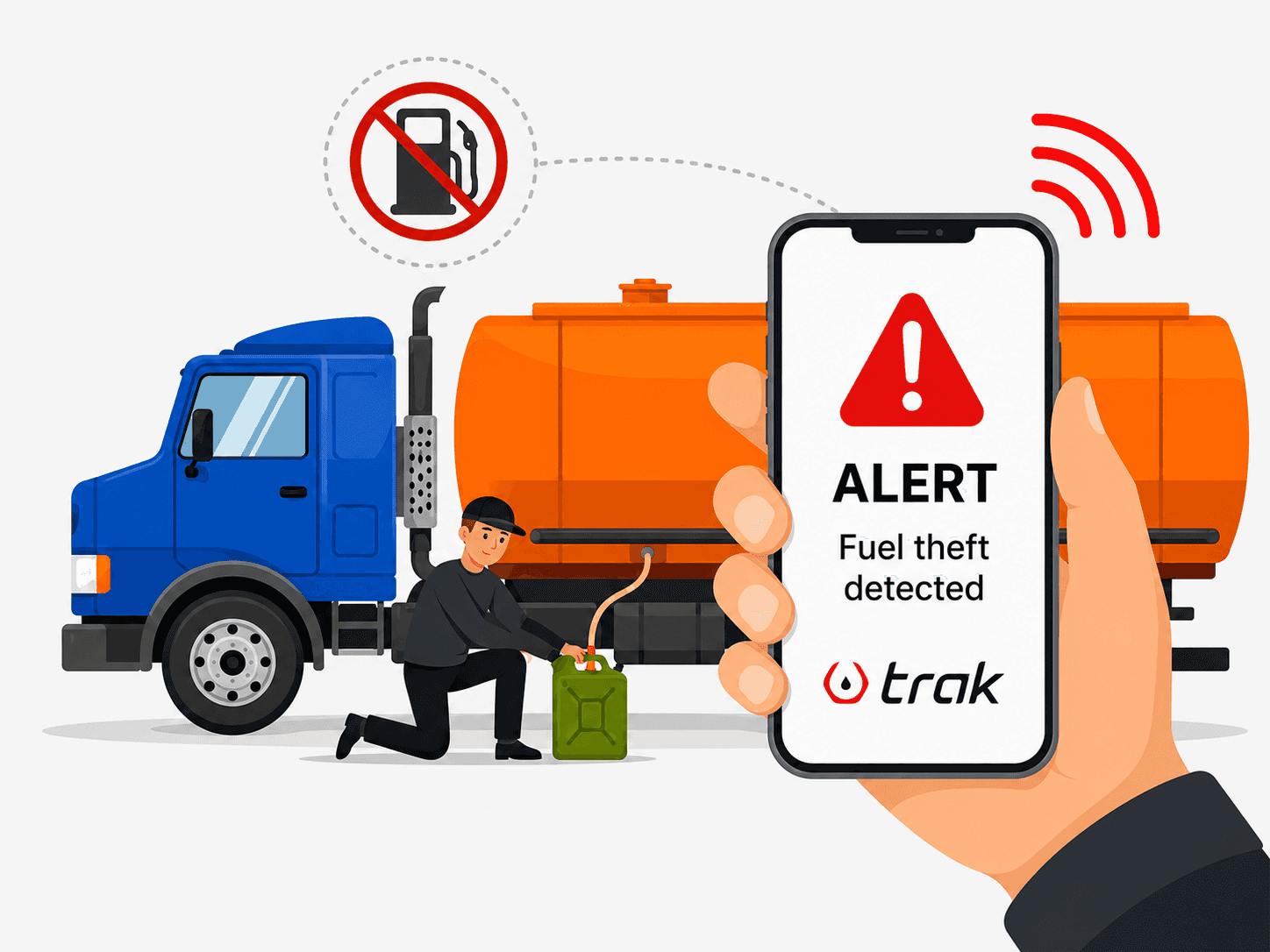
Both managers and field teams can be under pressure, as fuel theft works against a business’s goals of reducing risk and controlling costs. Vehicle tracking and route optimization software help fleet managers monitor operations continuously. Drivers in the field may encounter attempted fuel theft while on the road or during stops. The possibility of fuel theft and related safety risks can lead to stress—especially for drivers who rest in the cabin. When this happens, sleep can become fragmented and unproductive.
Drivers who park vehicles near their homes may experience similar anxiety. Many feel the need to park close to home and keep the vehicle within sight to improve fuel security. This constant vigilance can create additional stress and affect drivers’ private lives—particularly for owner-operators.
Anxiety Despite Measures Taken
Fuel security products are not widely used, despite high levels of concern across the industry. In addition, some fuel security products on the market do not significantly reduce anxiety levels. This may indicate that existing products are not fully effective against fuel theft. Consider how immobilizers became a groundbreaking solution for vehicle theft in the automotive industry. In the same way, smart technologies for fuel security are clearly needed. With better solutions, fuel theft may have fewer negative psychological effects on people in the logistics sector.
Join the newsletter
Be the first to read our articles.


