4 min read

Fuel theft is a major headache for logistics companies. Anyone working in the logistics industry—whether they manage a fleet of hundreds of vehicles or operate a single truck—can experience fuel theft anytime and anywhere.
The combination of high fuel prices and large fuel tank capacities makes heavy commercial vehicles an attractive target for thieves. Fuel theft remains a persistent topic across the sector. A recent study also explored the industry’s perception of fuel theft and how common it has become.
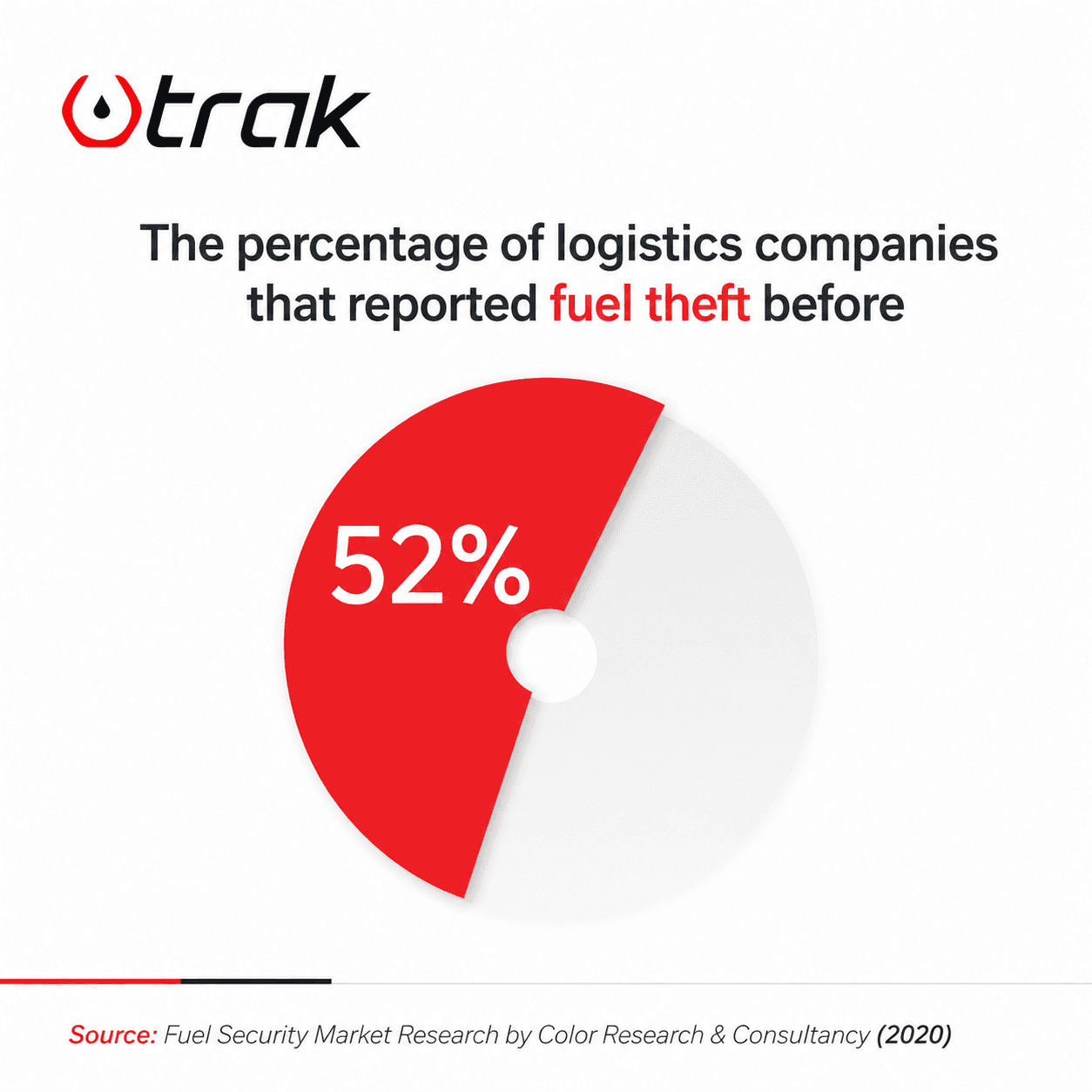
Based on market research conducted by Color Research, 52% of companies have experienced fuel theft in the last two years. This figure shows how widespread fuel theft is. Whenever we speak with fleet managers in person, many say the actual number may be higher—because some are reluctant to report incidents, while others may not be aware it has happened yet.
Your company may be a small regional business or a large multinational corporation. Stolen fuel can be siphoned from your vehicles anywhere, anytime, within a short period. In some cases, a driver—who carries your customers’ goods and, by extension, your reputation—may be skimming fuel from trucks without trying to hide it. This also harms the reputation of heavy commercial vehicle drivers as a whole. Our intention is not to cast suspicion on any group, but to analyze the situation clearly and fairly. In every occupational group, there can be individuals with dubious intentions.
What does experience say?
Fleet managers interviewed for this market research identified four key locations where fuel is stolen:
1. Fuel cap
2. Float valve
3. Blind plug
4. Fuel filter inlets
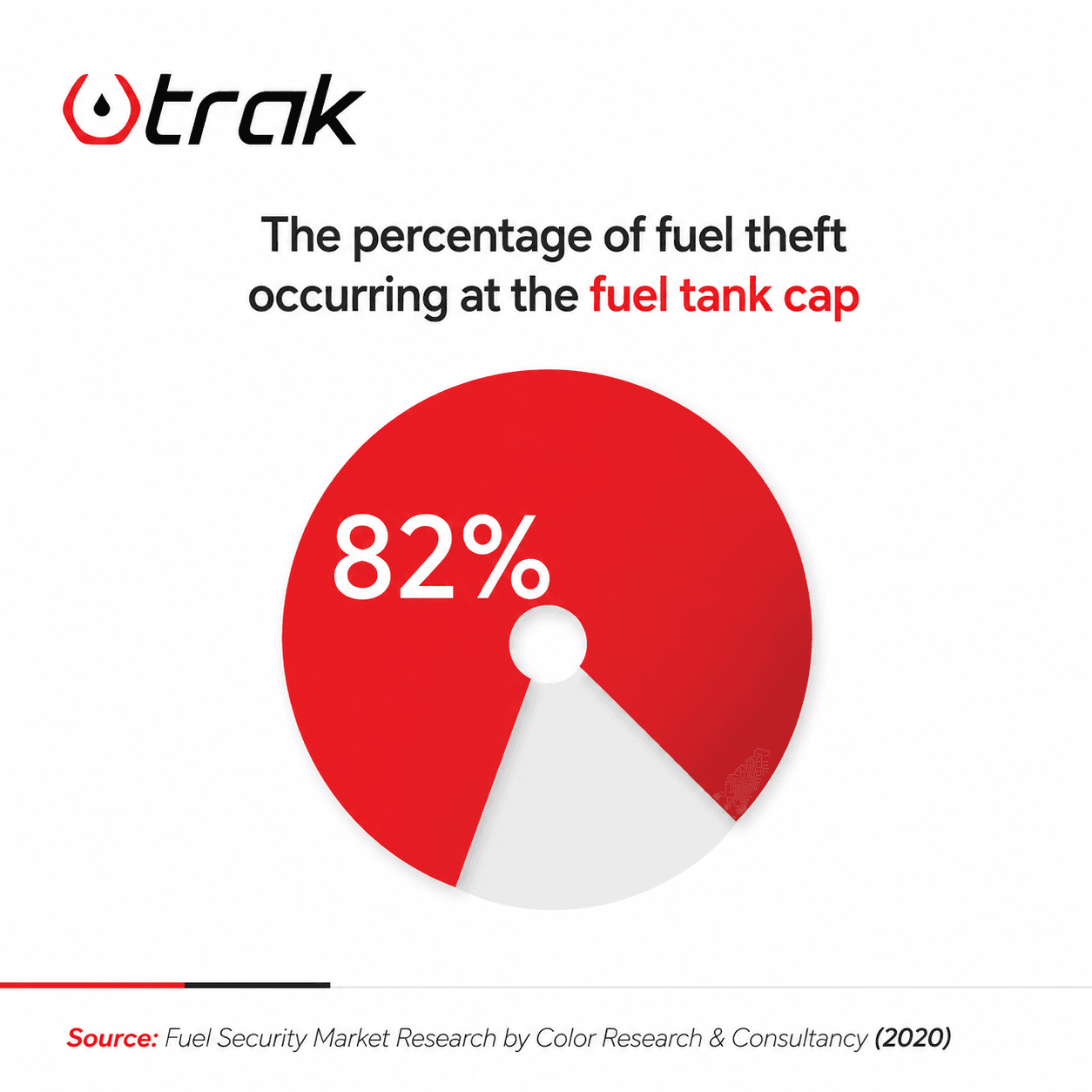
Fuel caps appear to be the most common location for theft. Eighty-two percent of respondents who reported fuel theft said it happened through the fuel cap. Clearly, fleets should start by securing fuel caps if they want to improve fuel security.
The float valve is difficult for thieves to reach and remove, especially when a trailer is attached to the vehicle. The blind cover sits beneath the fuel tank, which is a difficult area to access and therefore less preferred by thieves. Similarly, fuel filter inlets are located in a hard-to-reach area. Even if thieves manage to access fuel from that location, the fuel flow rate typically will not meet their expectations. Thieves want to get the job done as quickly as possible. The fuel cap is popular because it is easy to access, remove, and drain.
If the fuel theft is committed internally by a driver or another employee, the fuel cap is again the most vulnerable location. That is because—unlike the other points listed above—a fuel cap can be opened and closed repeatedly. The other locations are more likely to show signs of tampering and are easier to detect. A fuel cap, on the other hand, can be opened and closed thousands of times without anyone noticing—until Trak Smart Fuel Cap is implemented. As Trak, we provide fleets with valuable data by enabling them to track fuel caps 24/7. Because you can’t manage what you don’t measure.
Join the newsletter
Be the first to read our articles.


